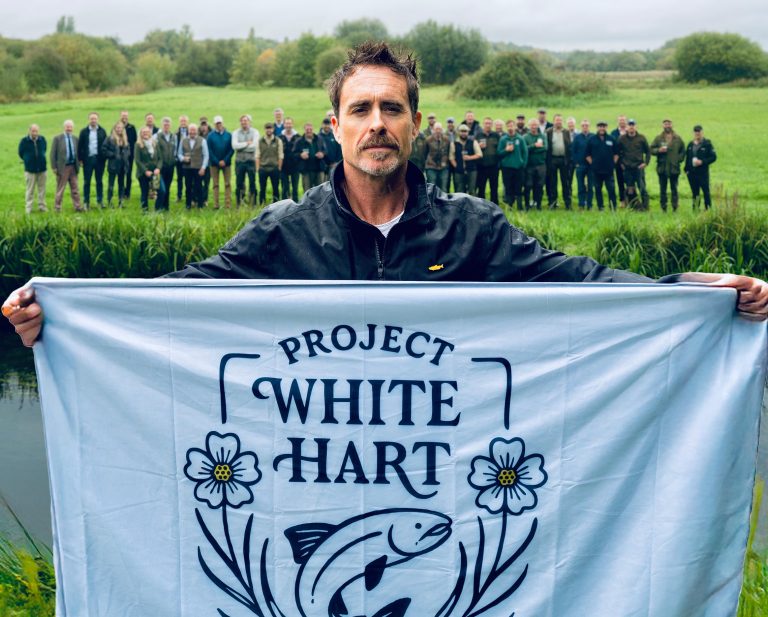
All wars eventually end through negotiation.
In Project White Hart, the single biggest concern among the keepers is how the triumvirate—Water Company, Environment Agency, and Natural England—will work together. The FRAP (Flood Risk Activity Permit) is just the beginning. Simple solutions become mired in bureaucracy while costs escalate for work that could take five minutes with a digger. We are not dealing with a fine wine; we do not have the luxury of time. As the Field Sports Journal strapline reminds us: we need time well spent.
The keepers worry the triumvirate will bog you down until you’re desperate to claim some victory—any victory—the fear being this could restrict fishing. And then who would worry about the fish? Who would remain the eyes and ears on the river? Who would pay the keepers to maintain the life-giving streams of ranunculus, so precious for the invertebrates and young salmon parr, and finally, who would be there to challenge the triumvirate?
Someone has to bring the stakeholders together—communities, businesses, funders, regulators, policymakers—a coalition of the willing, grounded in pragmatic learning. We need people prepared to be the selfless grown-ups, to stick their necks out: polite, but firm.
We are here now, so blaming Brexit, Covid, or Ukraine is a waste of time. Blaming the EA, NE, or the water companies may be fair, but the hard truth remains we must find a way, with evidence in hand, to work with them while still holding them to account. Make a strong, reasoned argument and keep persevering, leaving the rant at the door with the muddy wellies. Find a blueprint for partnership, and perhaps other regions can follow.
Ultimately, we all want the same thing, and neither the Water Companies, Natural England, nor the Environment Agency wants to end up the sickest chicken in the coop.
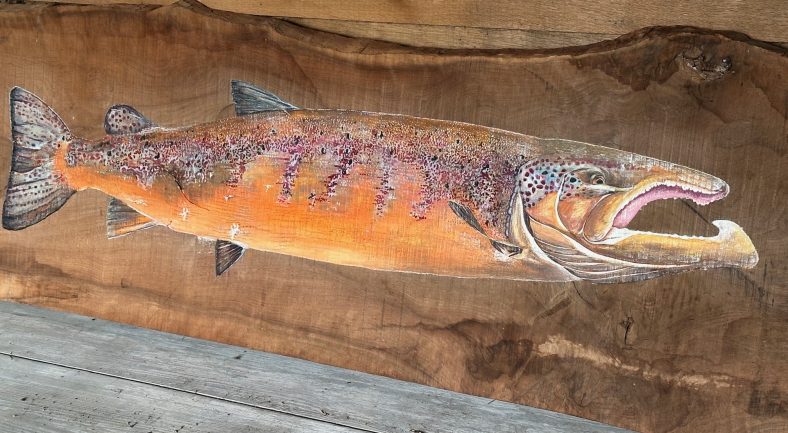
We put our fish back; we don’t eat them or stuff them in a glass case anymore, but I wanted...
Read More
All wars eventually end through negotiation. In Project White Hart, the single biggest concern among the keepers is how the...
Read More